The trip down to the gorgeous blue-green waterfalls of Havasupai had finally arrived after 8 months of waiting. We had secured the last available reservation for the year (2016). Havasupai Falls can only be reached by foot, donkey/horse or by helicopter. We chose to travel by foot. A group of nine of us ranging in age 11 years to mid-forties started the 10-mile descent down the Grand Canyon to the Havasupai Falls campgrounds. We all met at Hualapai Hilltop at 8 am on Black Friday, which is remotely located about 60 miles north of Peach Springs, AZ.
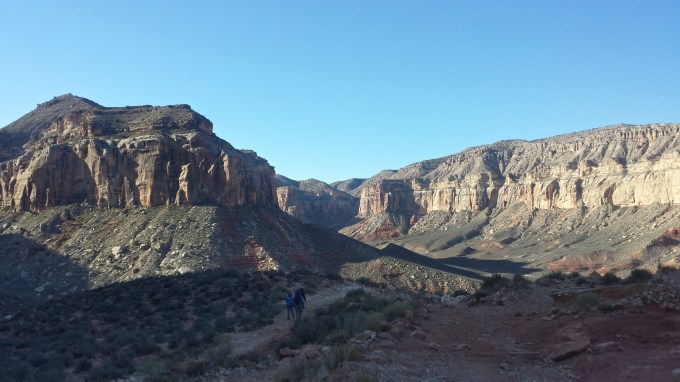
Walking through the canyons provide a good amount of shade. However, there are sections with no shade at all. We were fortunate enough to not be hiking in 100-degree weather.
Eight miles into our hike we arrived at Supai Village. The Havasupai people that live in the village are the traditional guardians of the Grand Canyon and have inhabited the land for over 800 years. The village which is small and has a population of under 700, has a café, convenience store, and a lodge if you prefer not to sleep outdoors. Also located here is a helicopter landing pad in which travelers can fly in and/or out of the village for a small fee.

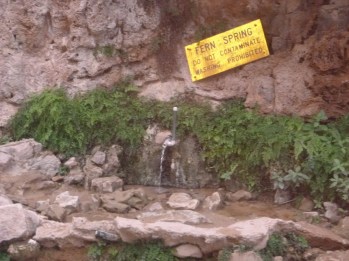
Shortly after leaving the village we came across the first waterfall – Navajo Falls. After snapping some pictures we traveled a bit further to Havasu Falls, a much larger waterfall with a 90-100 ft vertical drop. The campgrounds are located a half mile from Havasu Falls. In total, a two-mile hike between the village and the campground. During this season the campgrounds are not crowded so we were able to find a good location to set up camp. Keep in mind that fires are prohibited and all visitors are asked to take their trash out of the canyon when they leave. A fresh water spring is located at the campgrounds, which surprisingly taste better than Phoenix tap water.

The next morning we began the quarter mile hike to Mooney Falls, named after a miner that fell to his death in 1882. Located a quarter mile from the campgrounds, it is the tallest of the waterfalls in the canyon with a height of 200 ft. To get to the base of the waterfall we had to climb through a small cave before reaching the cliff wall. The descent down the cliff wall resembles rock climbing which is steep and dangerous with chains and ladders to help. The mist from the waterfall made the rocks, chains, and ladder slippery and cold. Once we reached the base we were able to spend time in the water, although chilly because of the season.
Back at the camp, we prepared for what was to be a cold near freezing night. Two of the group members had an issue with their tent so six of us squeezed into a 4-person tent. Which actually worked out good for warmth. We would be leaving Havasupai in the morning.

The hike out was a bit more difficult due to weather conditions and the steep climb at the end. We were caught in light but cold rain and eventually some snow. Overall, a great experience in which we all agree that we will return to Havasupai.
Distances
Hualapai Hilltop to Supai Village: 8 miles
Supai Village to Havasupai Falls Campground: 2 miles
Havasupai Falls Campground to Mooney Falls: 0.25 miles
Mooney Falls to the Beaver Creek: 8 miles


 William Campos